14 November 2023
The toilet, a seemingly humble fixture in our homes, serves a vital role in our daily lives. It’s a cornerstone of sanitation, a place of refuge and reflection, and, perhaps, one of the most underrated engineering marvels. However, when that trusty toilet becomes a source of frustration due to a constant, unrelenting flow of water into the bowl, a once-silent hero can become an uninvited villain. A running toilet, though often dismissed as a minor annoyance, has the potential to wreak havoc on your water bills and the environment. In this guide, we delve into the world of the running toilet, exploring the various issues that cause it, and equipping you with the knowledge and skills needed to put an end to the wasteful flow. Whether you’re a DIY enthusiast or just someone looking to save water and money, this guide will help you understand, troubleshoot, and resolve the persistent problem of a running toilet.
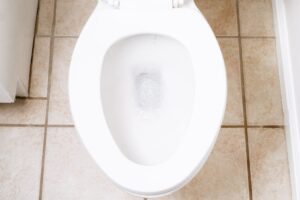
A running toilet can waste a surprising amount of water if left unaddressed. The amount of water wasted depends on the severity of the issue and how quickly it is resolved. Here’s a rough estimate of water wastage for different scenarios:
It’s important to note that the exact amount of water wasted can vary based on factors like water pressure, the size of the flush tank, and the severity of the leak. The key takeaway is that even a small leak or a running toilet can lead to significant water wastage over time, and addressing the issue promptly is essential to conserve water and save on utility bills.
A running toilet can be not only annoying but also a significant source of water wastage. The continuous flow of water into the toilet bowl is a common problem, often caused by various issues within the toilet tank. In this guide, we will walk you through the steps to diagnose and fix a running toilet. With a little knowledge and some basic tools, you can save both water and money by tackling this problem yourself.
Before you begin, make sure you have the following tools and materials at hand:
Need help with a running toilet? Contact PM247 now by clicking contact us or by calling this number: 08082 504 203 (247 service).
Step 1: Turn Off the Water Supply
Locate the shut-off valve, usually situated on the wall or floor behind the toilet. Turn the valve clockwise to stop the flow of water to the toilet. Flush the toilet to empty the tank and verify that no more water is entering.
Step 2: Remove the Toilet Tank Lid
Carefully remove the tank lid and set it aside. Be cautious when handling the lid, as it can be heavy and fragile.
Step 3: Inspect the Flapper or Flush Valve Seal
The most common cause of a running toilet is a faulty flapper or flush valve seal. Inspect these components for wear and tear. If you notice any damage, it’s a good idea to replace them.
Step 4: Check the Fill Valve
If replacing the flapper or flush valve seal doesn’t solve the problem, it’s possible that the fill valve is faulty. Inspect the fill valve for any signs of damage or leakage. If it’s damaged, you may need to replace it. Here’s how to do it:
Step 5: Adjust the Water Level
To ensure the proper water level in the tank, adjust the float. The float can be a ballcock or a float cup, depending on your toilet. Here’s how to adjust it:
Step 6: Inspect and Replace Other Components
If your toilet is still running after performing the above steps, it might be necessary to inspect and replace other components like the tank bolts and washers or the overflow tube. Leaks around these areas can also lead to a running toilet.
Step 7: Turn the Water Supply Back On
Once you’ve completed all the necessary repairs or adjustments, turn the water supply back on by opening the shut-off valve.
Step 8: When All Else Fails: Contact a Plumber
While this comprehensive guide covers the most common issues that cause a running toilet and how to address them, there can be situations where the problem is more complex or elusive. If you’ve followed all the previous steps and your toilet is still running, it might be time to consider seeking the expertise of a professional plumber.
Here are a few scenarios where contacting a plumber is a prudent choice:
While this guide has empowered you with the knowledge and skills to tackle a running toilet head-on, we understand that some plumbing problems can be more complex or elusive than they first appear. If, despite your best efforts, your toilet continues to run and water wastage remains a concern, there’s no need to fret. In such cases, you have a reliable ally in PM247, your trusted plumbing professionals.
PM247 is your go-to solution for plumbing issues that go beyond the scope of DIY repairs. With their years of experience and expertise, PM247’s team of dedicated plumbers is well-equipped to address a wide range of plumbing problems, including the persistent challenge of a running toilet. They possess the knowledge, tools, and resources to diagnose and resolve intricate issues, ensuring your toilet operates efficiently and your home remains free from potential water damage.
By enlisting the services of PM247, you not only gain peace of mind but also contribute to water conservation efforts and lower utility bills. Their prompt and professional approach ensures that your plumbing issues are resolved efficiently, saving you time and preventing further inconvenience.
So, remember, when all else fails and the running toilet problem persists, PM247 is just a call away, ready to provide a plumbing solution that stands for quality, reliability, and peace of mind.
Call us on 08082 504 203 or fill in the form here to get your running toilet fixed by a skilled PM247 plumber.
Servicing: Bath, Bedfordshire, Berkshire, Bristol, Buckinghamshire, Essex, Gloucestershire, Hampshire, Hertfordshire, Kent, London, Oxfordshire, Surrey, Warwickshire and West Midlands